


When you’re fasting, your beverage choices matter.
Both tea and coffee are popular options for getting through a fasting window—but which one is better for your body, your gut, and your goals? In this guide, we’ll break down the science behind tea and coffee during fasting, compare their effects on energy and digestion, and explain why Aeira teas are the clean choice for a fasting-friendly lifestyle.
Why Beverages Matter During Fasting
Fasting isn’t just about skipping meals—it’s about giving your body a break from digestion while supporting hydration and mental clarity. The wrong beverage can derail your fast by:
- Spiking insulin
- Triggering cravings
- Causing digestive discomfort
The right beverage, on the other hand, can make fasting easier, more comfortable, and even more beneficial.
Does Tea or Coffee Break a Fast?
Plain, unsweetened tea and black coffee are generally considered fasting-friendly because they contain virtually no calories. The key is to avoid:
- Sugar
- Milk or cream
- Artificial sweeteners (which can trigger an insulin response for some people)
Sources: Johns Hopkins; Cleveland Clinic.
Coffee During Fasting: Pros and Cons
Pros
- Boosts Alertness: Coffee is a strong source of caffeine, which can help you power through your morning fast.
- Zero Calories (Black): When consumed plain, coffee won’t break your fast.
Cons
- Acidic on the Stomach: Coffee can irritate the gut lining, especially on an empty stomach.
- Cortisol Spike: High caffeine intake can increase stress hormones, which may lead to jitters or energy crashes.
- Dehydration Risk: Coffee is mildly diuretic, so it’s not the best hydration source.
Tea During Fasting: Pros and Cons
Pros
- Gentle Caffeine: Green tea offers about 25–35 mg of caffeine per cup—enough for focus without the jitters.
- Antioxidants: Green tea is rich in catechins like EGCG, which support metabolic health and cellular repair.
- Hydration: Tea contributes to your daily fluid intake without added calories.
- Gut-Friendly: Herbal teas like lemon ginger can soothe digestion and reduce bloating.
Cons
- Lower Caffeine: If you rely on a strong caffeine hit, tea may feel milder than coffee.
Green Tea vs. Herbal Tea
- Green Tea: Best for gentle energy and antioxidant support during your fasting window.
- Herbal Tea: Naturally caffeine-free, perfect for hydration and digestive comfort any time of day.
Why Aeira Teas Are the Clean Choice
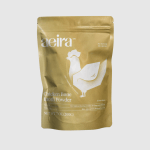
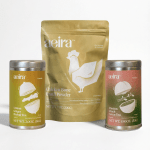
- Passion Peach Green Tea: Ethically sourced leaves + real fruit essences for a refreshing, antioxidant-rich sip.
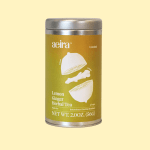
- Lemon Ginger Herbal Tea: Made with real lemon peel and ginger root for soothing hydration—zero calories, zero additives.
Both are fasting-friendly, clean-label, and designed to make your fasting experience easier and more enjoyable.
Bottom Line: Which One Wins?
If you want a strong caffeine kick, coffee works—but it can be harsh on your gut and stress hormones. For a smoother, more balanced fasting experience, tea wins—especially when it’s clean, flavorful, and crafted for wellness like Aeira.
Sources
- Johns Hopkins Medicine – Intermittent fasting basics
- Harvard Health – Tea and coffee health benefits
- NIH – Green tea catechins and metabolism
- Cleveland Clinic – Coffee and gut health
Disclaimer: This content is for educational purposes only and is not medical advice. Always consult your healthcare provider before making dietary or lifestyle changes.